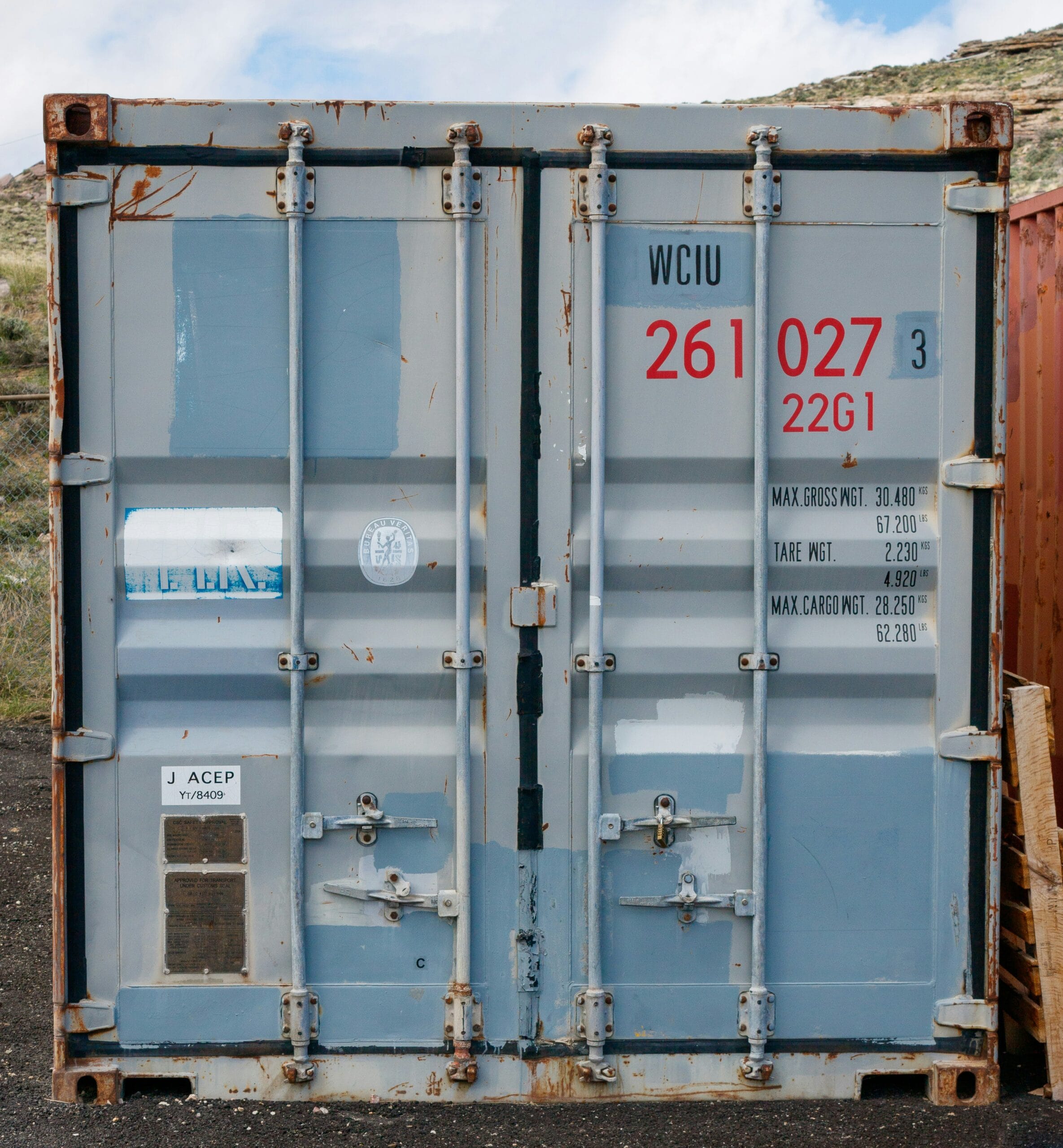
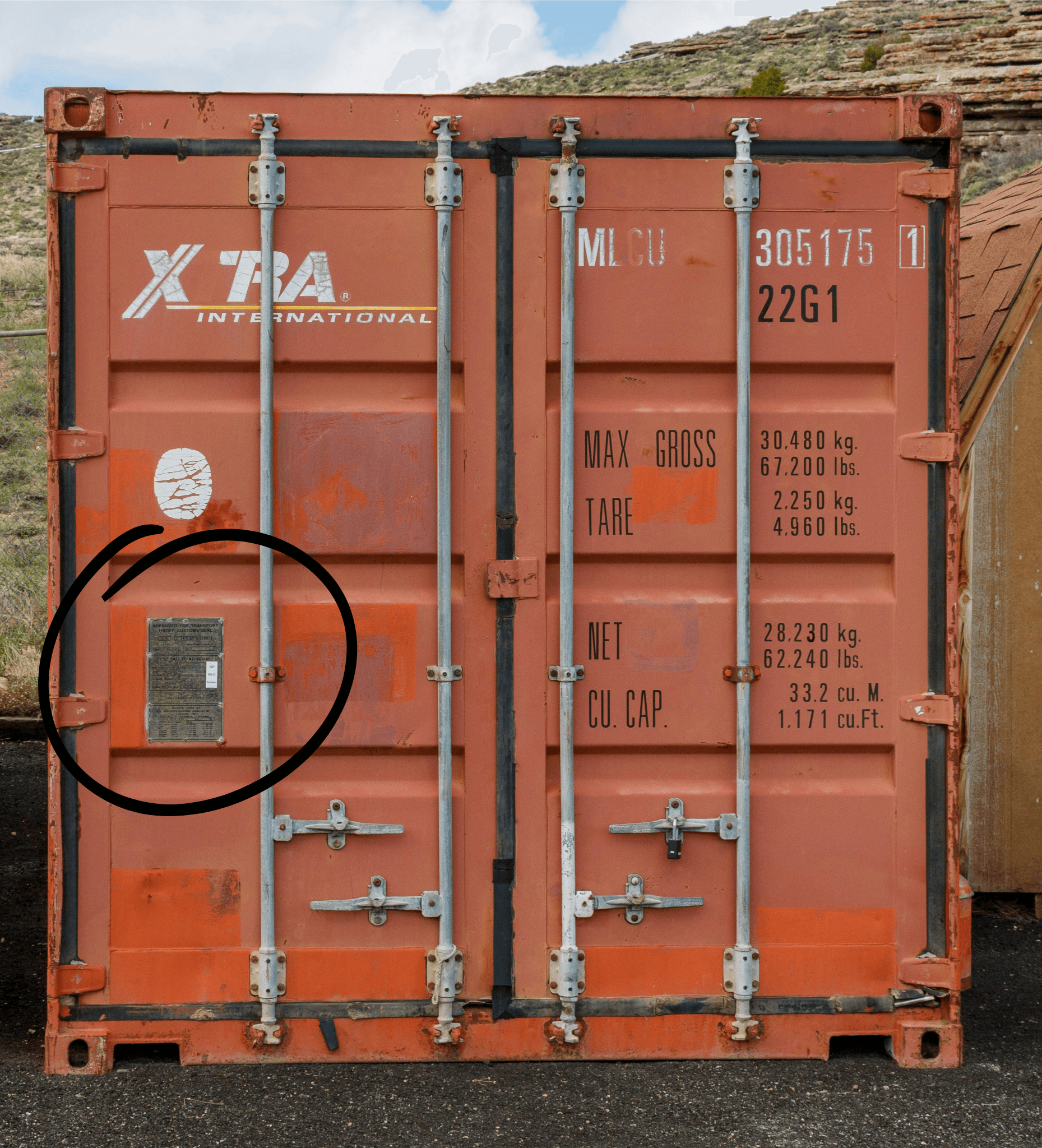
Tip: Check the CSC plate on used containers intended for transport to ensure compliance.
Marine-grade plywood flooring
The container floor is 28mm marine-grade plywood made of hardwood layers bonded with waterproof glue and treated to resist rot, insects, and moisture. It's durable, affordable, and easy to replace when damaged.
Bamboo flooring
Bamboo flooring, found in newer containers, is a sustainable alternative offering high density, natural moisture resistance, and a smoother finish. It's ideal for greener logistics or eco-conscious conversions.
The steel framework forms the foundation, but a container's reliability depends equally on corner castings, door seals, and countless other components. True durability stems from quality materials in every part of the assembly, not just the exterior walls. Choosing the right container ensures all components work together effectively in the long term.
What Material Is a Shipping Container Made From?
While the flooring and hardware vary, the body of a shipping container is primarily made from Corten steel, also known as weathering steel.This durable material is what gives containers their longevity, ensuring a long shipping container lifespan even in harsh environments.
Corten steel is a high-strength alloy containing copper, chromium, and nickel. These elements form a protective oxide layer that shields the inner metal from further corrosion.
Benefits of Corten steel:
- Naturally resists corrosion and rust
- Low maintenance and cost-effective
- High tensile strength for stacking and transport
- Ideal for long-term outdoor exposure
- Excellent for modification and construction projects
Even though Corten steel resists corrosion, containers can rust if damaged or poorly maintained. Scratches, standing water, or worn paint can allow moisture in, leading to rust over time. Regular inspections, touch-ups, and proper drainage are key to preventing shipping container rust and preserving its durability.
How Shipping Containers Are Made
Creating a shipping container involves precision engineering, strict quality control, and layers of protection to ensure they last for decades. Here’s a step-by-step overview of how they’re made:
- Steel preparation:Large Corten steel sheets are cut to size, sandblasted, and primed with anti-corrosion coatings.
- Corrugation:The sheets are pressed into the corrugated pattern that gives containers their signature strength and rigidity.
- Frame and panel welding:The steel base is constructed using I-beams, and panels are welded together to form the walls and roof.
- Doors and hardware installation:Corrugated doors, rubber seals, locking bars, and hinges are welded into place.
- Painting:The entire container is sandblasted and coated with multiple layers of marine-grade paint for additional corrosion resistance.
- Flooring installation: Marine-grade plywood (or bamboo) is bolted onto steel cross members, completing the structure.
Shipping containers are built for strength, durability, and long-term use, with materials like Corten steel providing natural corrosion resistance. Proper maintenance, including using the right shipping container paint, helps protect the steel, prevent rust, and extend the container’s lifespan.
Looking for a quality shipping container?
At Viva Containers, we supply high-quality shipping containers that meet global ISO standards for safety and performance. We offer both new shipping containers and used container units, including specialized options like high cubes, open-side, and double-door units to fit your specific needs.
Verified quality Every container we sell is thoroughly inspected, graded, and photographed. We verify that each unit meets structural integrity standards, from reinforced corner castings to intact door seals and certified CSC plates.
Transparent process Our team provides expert guidance on selecting the right container for your project, whether it's for shipping, storage, or conversion. We help plan transport and placement, verifying site access and equipment requirements in advance to ensure smooth delivery.
Viva Containers delivers consistent quality, verified condition reports, and reliable service making us a dependable supplier for first-time buyers and experienced operators alike.



 Warranty on All Containers