30-Days Money Back Guarantee

Delivery in 2-5 business days

Proud member

5.0 Stars on Google Reviews
30-Days Money Back Guarantee
Delivery in 2-5 business days
Proud member
5.0 Stars on Google Reviews
Delivery in 2-5 business
5.0 Stars on Google Reviews Warranty on All Containers
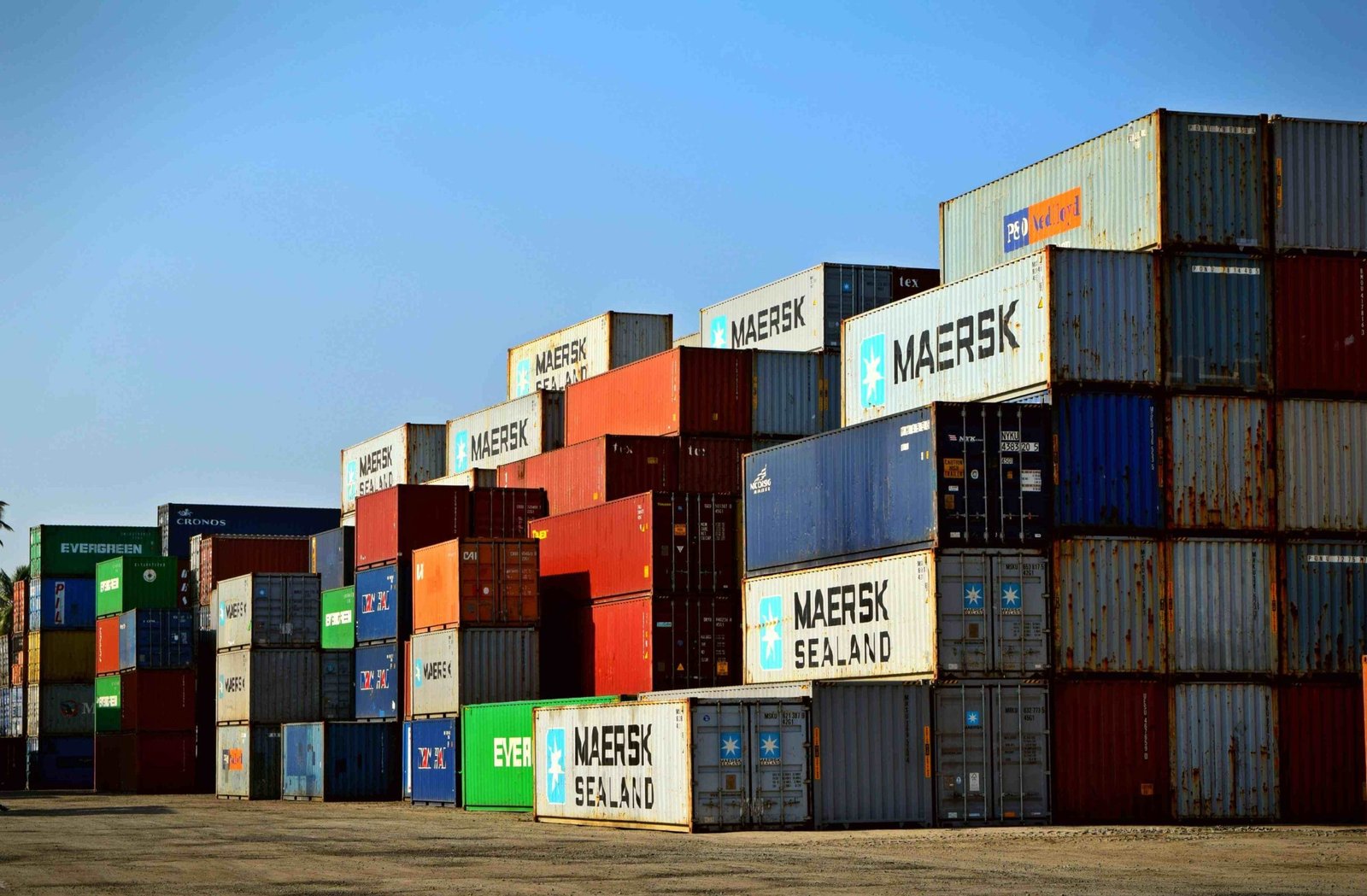
Shipping container prices can vary, but on average, a new 20-ft standard dry container costs around $3,000, while a new 40-ft standard unit typically averages $5,000. If you need extra height, a 40-ft high-cube (HC) container generally sits closer to $6,000. Pricing ultimately depends on a number of factors – including condition, size, location, transport costs, steel prices, and overall shipping container supply and demand.
Here are the typical container price ranges you can expect in 2025 for the most common sizes and conditions:
|
Container Type |
New unit |
Used unit |
|---|---|---|
|
20 ft Standard |
$3,000 – $5,000 |
$1,800 – $3,000 |
|
40 ft Standard |
$5000 – $7,000 |
$2,500 – $4,500 |
|
40 ft High Cube |
$5,500 – $7,500 |
$3,000 – $4,800 |
Please note: These are average ranges, and actual prices depend on specific conditions and market fluctuations. Prices also vary by location and availability, but with Viva Containers, you get reliable quotes and accurate, transparent pricing based on real-time inventory data, so you know exactly what to expect.
Several key factors influence shipping container pricing. Let’s discuss each of them in depth.
Global container supply and demand is one of the most significant factors that affects shipping container prices. When global trade is booming and demand for shipping services is high, container prices tend to rise due to increased utilization and scarcity. Conversely, an oversupply of containers or a decrease in global trade can lead to lower prices. Major disruptions, such as port congestion or geopolitical events, can also drastically affect supply and demand dynamics.
Shipping container dimensions play a major role in determining cost. A 20 ft standard dry container is usually the most budget-friendly choice and works well for basic storage or shipping needs. A 40 ft standard container offers roughly double the capacity and, while more expensive, it isn’t twice the price — making it more economical per cubic foot if you need more space.
Price range for 20 ft standard container:
Price range for 40ft standard container:
Beyond size, the type of container you choose has a significant impact on cost. High cube containers offer an extra foot of height compared to standard units, which increases usable volume — and the price. For example, a 40 ft high cube may cost around $3,700–$4,500 used, and anywhere from $9,700–$12,600 new, depending on market conditions and availability.
Specialized containers such as reefers (refrigerated), open-top, flat-rack, and insulated models command higher prices due to added functionality and lower supply. A 20 ft reefer container, for instance, can start at around $7,000+, with costs rising based on condition, manufacturer, and equipment included.
|
Container Type |
New Price Range (USD) |
Used Price Range (USD) |
|---|---|---|
|
20 ft Open Side |
$7,900 - $10,900 |
$4,000 - $7,000 |
|
20 ft Double Door |
Higher than standard; |
$2,000 - $5,000 |
One of the most significant drivers of cost is the condition of the container itself - whether it is brand new or previously used:
Used containers are generally priced 30-50% less, but understanding grading and inspection reports is vital to ensure the container condition meets your needs.
The immediate availability of containers in a specific location plays a crucial role. Areas with an abundance of containers (often major port cities) will typically have lower prices than regions where containers are scarce.
As containers are primarily made of Corten steel, fluctuations in global steel prices directly impact their manufacturing cost and, consequently, their sale price.
Shipping container prices vary significantly across different regions in the U.S., largely influenced by geographic location. Major port cities like Los Angeles, New York, and Houston generally offer lower container prices due to the high volume of incoming containers. These ports often have an “overstock” of empty containers, as they need repositioning, which leads to more competitive pricing for buyers.
In contrast, prices in inland areas or regions far from key shipping hubs tend to be higher. The main reason for this price difference is the additional cost associated with delivery distance and logistics. Shipping containers are large and heavy, so transporting them over long distances involves substantial fuel, labor, and equipment expenses. These costs are passed on to the buyer, making inland container purchases more expensive.
Hence, when buying a shipping container, it is crucial to factor in delivery costs from the nearest depot to get an accurate total price.
Shipping containers can be purchased from a variety of sources, including private sellers, online marketplaces, auctions, and specialty container dealers. However, buying from a trusted retailer offers significant advantages that can save you a lot of time and money, while offering even more advantages.
Why Buy from a Trusted Retailer?
At Viva Containers, we offer a variety of quality containers at competitive prices. Whether the container project is residential, commercial, or industrial, finding the ideal container is easier than ever with our competitively priced inventory. Here’s a closer look at some of the categories available:
At Viva Containers, we bring years of experience in supplying containers for all uses, from storage and offices to shipping and construction. With our wide inventory of both used and brand-new containers, standard and specialty containers like open side, double door, high cube containers, you can find the best solution for your project while being sure that our customer service team will always be ready to assist you with expert advice.
What truly sets Viva Containers apart is our commitment to thorough inspection and quality assurance for every container in the stock. This ensures our customers receive reliable, structurally sound units that meet their project requirements. Transparent pricing is standard practice, so buyers can feel confident knowing there are no hidden fees or unexpected costs.
Take a look at our listings online or get in touch for a personalized quote, and let Viva Containers be your reliable partner.
There are several ways to save money when purchasing a shipping container, and it doesn't necessarily mean compromising on quality. Decisions from the initial choice of container to the final delivery and long-term maintenance can all add up to the costs, which is why we offer practical tips to select the right container for your project
Don't overspend on a new, "one-trip" container if a used one will be sufficient for your storage needs. Within the used container market, different grades indicate the condition and price. Two main options are available at the market, which we have already discussed above:
While these used containers may have some cosmetic wear and tear, they are structurally sound and perfect for most storage or basic modification projects. Often, they offer a more cost-effective option without compromising functionality, so opting for a brand-new container isn’t the only choice.
2. Consider a smaller size
Knowing the exact size of the container you require helps avoid overbuying. Smaller containers cost less than larger ones; for example, a 20-foot container is often more affordable than a 40-foot container. So, accurately assessing your storage or project needs can prevent you from overspending on a larger container you don't need.
3. Be aware of the "All-in" price
A container’s cost goes beyond the sticker price, and hidden fees can quickly add up. That’s why you should always ask for a clear breakdown of all costs, including the container price, delivery fees, and any applicable taxes or surcharges, so there are no hidden surprises. At Viva Containers, we offer transparent and competitive pricing to ensure a smooth, stress-free purchase without any unexpected costs so that you won’t end up with surprises at checkout.
4. Buy in bulk
If you need more than one container, consider purchasing them together. Viva containers offers volume discounts, which can lead to a lower price per unit.
5. Bundle delivery with purchase
Often, purchasing your container and arranging delivery from the same provider can result in better overall pricing and streamlined logistics compared to sourcing them separately.
6. Compare suppliers
Don’t just go with the first quote you receive. It’s always worth taking a little time to research and reach out to a few different suppliers in your area just so you can compare prices. At Viva Containers, we encourage that comparison.
One thing that needs to be considered is that prices can differ a lot depending on inventory and location. That’s why it’s important to ask for the “all-in” price, so you’re not surprised later and you make the right comparison between the quotes you’ll get. At Viva Containers, we make that process easy. Our team gives you a clear breakdown of every cost up front, and we work to keep pricing fair and transparent, without any hidden charges.
7. Choose vendors close to you
Transportation costs can add up significantly. The farther a container travels, the more you end up paying. Opting for a nearby supplier can save you money.
Viva Containers has depots all over the U.S, so we can get a container to you quickly without the extra miles, which means better prices for you.
8. Buy at the right time
Like many markets, container prices can fluctuate throughout the year. Buying during an off-peak season can often save you money. For example, during periods like back-to-school, Halloween, Thanksgiving, and the holiday shopping season, shipping demand increases, which often drives container prices higher. Talk to our team about your project timeline- we can help you understand market trends and pick the best time to make your purchase.
Ultimately, all the tips lead to one simple truth - the best way to save money is by making an informed decision. Our team is here to help you match the right container to your budget and project needs. We can help you weigh the pros and cons of different options, ensuring you get the most value without making costly mistakes. So, consult our experts to cut costs on your container purchase. Contact us today for personalized advice.