30-Days Money Back Guarantee
Delivery in 2-5 business days
Proud member
5.0 Stars on Google Reviews
30-Days Money Back Guarantee
Delivery in 2-5 business days
Proud member
5.0 Stars on Google Reviews


Before diving into specific ideas, it’s worth understanding why shipping containers have become such a popular medium for construction and storage projects. Their inherent durability, modularity, and affordability make them a smart choice for anyone looking to build quickly and efficiently.
Made from corrosion-resistant corten steel and designed to carry tons of cargo across oceans, containers offer a level of strength and resilience that few building materials can match. They arrive as fully enclosed shells, ready to modify, stack, or connect, and are often far cheaper than traditional construction methods. When you factor in their portability and low environmental footprint, it’s easy to see why repurposed shipping containers have captured the imagination of architects, small business owners, and DIYers alike.
For more information about shipping container material and structure, check out this guide on what shipping containers are made of.
Shipping containers are a game-changer for entrepreneurs seeking flexible, low-cost setups that can be deployed fast. Whether you’re testing a new concept, launching a seasonal activation, or creating a mobile service space, container-based builds offer a practical solution that aligns with modern business needs.
Starting a self-storage business with shipping containers is one of the most cost-effective ways to enter the storage industry. Containers eliminate the need for traditional construction, allowing entrepreneurs to quickly set up on vacant land, gravel lots, or even leased industrial spaces. With demand rising in both cities and rural areas, container storage can serve homeowners, small businesses, and renters looking for flexible, short-term space.
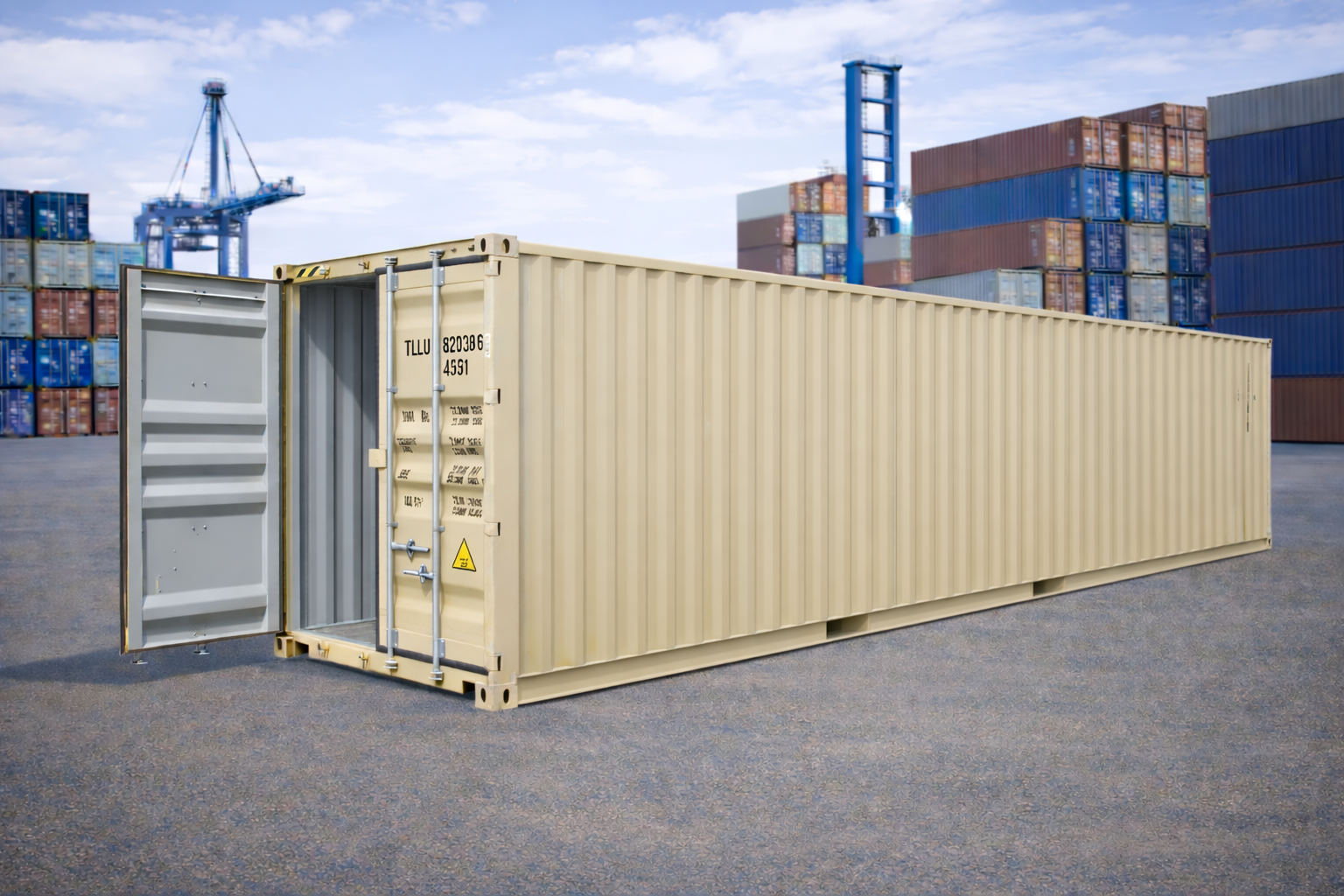
You can use different container sizes (such as 20 ft for compact storage or 40 ft high-cube units for larger items) to match the specific needs of your local market and maximize your site layout. Offering add-ons like shelving, lighting, or security hardware lets you charge premium rates, and climate-controlled or insulated options appeal to customers storing furniture, electronics, or sensitive items.
Shipping containers are ideal for rental businesses that serve construction projects, live events, remote job sites, or emergency deployments. This business model involves purchasing a fleet of containers in various configurations and renting them out for short-term or project-based use.
The advantage is flexibility. You can offer standard dry containers for tools and materials, modified office units with climate control and lighting for site staff, or even refrigerated containers for food service and pharmaceuticals. By selecting the right mix of container types and sizes, you can meet diverse client needs, from pop-up retail vendors to general contractors, while optimizing delivery and storage logistics.
Understanding the differences between units, such as door placement, internal height, and access, allows you to price rentals accurately and build long-term client relationships. For best results, pair your offering with reliable transportation, optional setup services, and tiered rental pricing.
Retailers and food entrepreneurs are increasingly turning to shipping containers to create compact, mobile storefronts. These pop-ups can be placed in high-traffic locations (from farmers markets to downtown plazas) and modified with glass facades, roll-up doors, and serving windows to attract walk-up customers.
A 20-foot container can easily house a boutique or espresso bar, while a 40-foot unit allows for larger operations like a full kitchen or dual-use café-retail hybrid. With ventilation systems, grease management, and food-grade finishes, even complex health code requirements can be met. This flexibility makes containers ideal for seasonal pop-ups, test markets, and food truck alternatives.
To see how security and access can be managed, explore tips on keeping your shipping container secure.
Containers are increasingly being used as on-demand office space for freelancers, startups, and remote teams. A well-insulated container can offer a comfortable and private workspace, complete with electrical wiring, HVAC, and data ports.
Smaller 20-foot containers work well as solo offices, while 40-foot units can be divided into meeting rooms or collaborative zones. Since they’re modular, containers can also be stacked or joined to create a larger coworking environment. Business owners can place them temporarily on leased land or in underutilized urban lots to reduce overhead.
For construction firms or fieldwork professionals, mobile site offices made from containers can offer a rugged yet refined solution that’s both secure and relocatable.
From boutique yoga studios to therapy treatment pods, shipping containers offer wellness entrepreneurs a compact yet effective space to serve clients. The enclosed steel shell can be adapted with full-length mirrors, acoustic insulation, and zoned HVAC for optimal comfort during workouts or sessions.
A container gym might feature rubber flooring, wall-mounted equipment, and ventilation to support high-energy fitness routines, while a therapy space could focus on calm lighting, air purification, and privacy. These studios can be placed in urban infill lots, beaches, or even park settings, making wellness services more accessible and mobile.
Whether it’s a mobile massage clinic or a mindfulness retreat in nature, containers allow for creativity without the hassle of permanent construction.
Hairdressers, estheticians, and nail techs are finding creative freedom in converting shipping containers into stylish salons. With proper plumbing, water heating, and electrical circuits, these mobile spaces can host full-service beauty operations at events, festivals, or even as standalone businesses on private land.
Designers often integrate sleek interiors, soundproofing, and customer seating in just 160 to 320 square feet. Mobile spa clinics or barber shops can be trailered between locations, offering pop-up services where demand is highest.
Proper ventilation and adherence to sanitation guidelines are key, but with the right setup, a shipping container can house a fully functional service studio that's both charming and compliant.
Creative hospitality entrepreneurs are now designing entire short-term rental experiences using shipping containers. These modular units can be styled into modern micro-hotels, rural glamping cabins, or beachside eco-retreats, all while using fewer resources than traditional builds.
By stacking or joining containers, owners can design private units with full bathrooms, kitchens, and even rooftop decks. Many projects incorporate off-grid features like solar panels, composting toilets, and rainwater collection. The result is a sustainable and visually appealing stay that appeals to design-forward travelers.
For residential projects, shipping containers offer practical and imaginative solutions for expanding your living space. With backyard space at a premium and traditional construction costs on the rise, containers provide homeowners with faster, more flexible options. These range from functional offices to stylish guest suites.
Full-time living in a shipping container is no longer a fringe idea. From off-grid cabins to urban tiny homes, more people are choosing container dwellings for their lower construction costs, minimalist footprints, and customizable designs.
Most projects start with either a 20-foot container (great for a studio or guesthouse) or a 40-foot model that can comfortably fit a one-bedroom layout. For families or larger homes, multiple containers can be connected in L- or U-shaped layouts, or even stacked for two-story builds.
To make them habitable, proper insulation, moisture control, and ventilation are essential. Closed-cell spray foam or rigid foam boards are typically used to prevent condensation. With careful planning, container homes can meet residential building codes and offer a high level of comfort and energy efficiency.
For examples of legal considerations and permitted zones, see where you can build a container home in the U.S.
A converted container in your backyard can function as a private office, creative studio, or remote classroom. With high-performance insulation, soundproofing, and dedicated power, it offers a focused environment without household distractions.
Many homeowners choose to install large sliding doors or windows for natural light, and mini-split systems for temperature control. Whether you’re an artist, writer, or remote worker, a container studio can provide that much-needed boundary between work and life – right outside your back door.
Gardeners and nature lovers are using containers to build backyard retreats that double as plant sanctuaries or hobby spaces. A modified unit with glass doors or polycarbonate panels can support a wide range of plants, especially when paired with proper ventilation and shading.
These structures are also used as reading nooks, meditation rooms, or even playhouses. With waterproof flooring and a bit of insulation, they can be enjoyed in most climates year-round. For homeowners seeking a relaxing space surrounded by nature, container garden rooms offer a perfect blend of form and function.
One of the most eye-catching uses of containers is as plunge pools or hot tubs. These water features are especially popular in modern backyard designs thanks to their sleek lines and efficient installation.
Converted container pools require professional engineering to ensure structural integrity and waterproofing. Features like built-in seating, underwater lighting, and deck integration can elevate the final design. They’re quicker to install than traditional in-ground pools and can be removed or relocated if needed.
Saunas are another trending use, especially in cold climates. High-temperature materials, moisture control, and safety-rated electrical systems are critical for both saunas and hot tubs housed in containers.
Beyond homes and businesses, shipping containers remain a top-tier choice for secure and scalable storage. Their tamper-resistant construction, weather-tight seals, and compatibility with add-ons make them ideal for storing everything from garden tools to hazardous materials.
Homeowners use containers for on-site storage of everything from sports gear and tools to lawn furniture and holiday decorations. Compared to building a shed, a shipping container is more secure and often cheaper in the long run.
Elevating the unit on a gravel pad and adding ventilation helps prevent moisture buildup. One-trip containers are ideal for sensitive items, while used cargo-worthy units suffice for general storage. With some minor upgrades, like shelving or lighting, containers make efficient and durable storage solutions for residential properties.
For more insight, see the pros and cons of container storage.
Retailers, construction companies, and mobile vendors benefit from container storage on or near job sites. Containers store:
Because they’re portable, containers can be moved between locations or used seasonally. Weatherproof and lockable, they reduce theft and damage, making them a staple in many industries.
For businesses with unique storage needs, containers can be outfitted with climate control, insulation, and specialized safety features. Cold storage containers are used for food, medical supplies, and florals. Hazardous material units include spill containment floors, vented ceilings, and fire suppression compatibility.
Custom modifications allow companies to meet strict health, environmental, and insurance requirements, all while keeping costs and lead times lower than permanent builds.
Shipping containers offer endless potential, but proper planning is essential to ensure safety, comfort, and compliance. Every project, whether it's a backyard studio or a multi-unit housing concept, should start with a feasibility review based on local zoning laws, building codes, and site access.
Permitting requirements vary by jurisdiction. A container used solely for storage may not need a permit, but a habitable or commercial conversion will likely require approvals for structure, egress, plumbing, electrical, and HVAC systems. Insulation and moisture control are also critical, especially for residential or food-related applications.
To understand location-specific regulations, check out our guide on placing containers on residential property
Foundations should be selected based on soil type, local frost lines, and whether the container is temporary or permanent. Options include gravel pads, screw piles, and concrete slabs.
Budget-wise, a basic office or retail conversion might start at $50,000, while larger container homes or commercial projects can reach $400,000 depending on scale, finish level, and site work. DIYers can cut costs, but hiring professionals ensures code compliance and reduces rework.
For a full guide to choosing the right container, refer to how to choose a shipping container tips.
Once you've decided on your project type, the next step is selecting the right container and that means considering condition, size, and features that match your intended use.
New (one-trip) containers are ideal for habitable or interior-sensitive builds. These have only made a single journey from the factory and offer clean floors, intact seals, and minimal wear. They're perfect for home offices, cafés, and boutique shops where finish quality matters.
Cargo-worthy containers are a budget-friendly alternative, especially for storage, workshops, or rugged site offices. While they may have cosmetic wear, they're structurally sound and cost-effective.
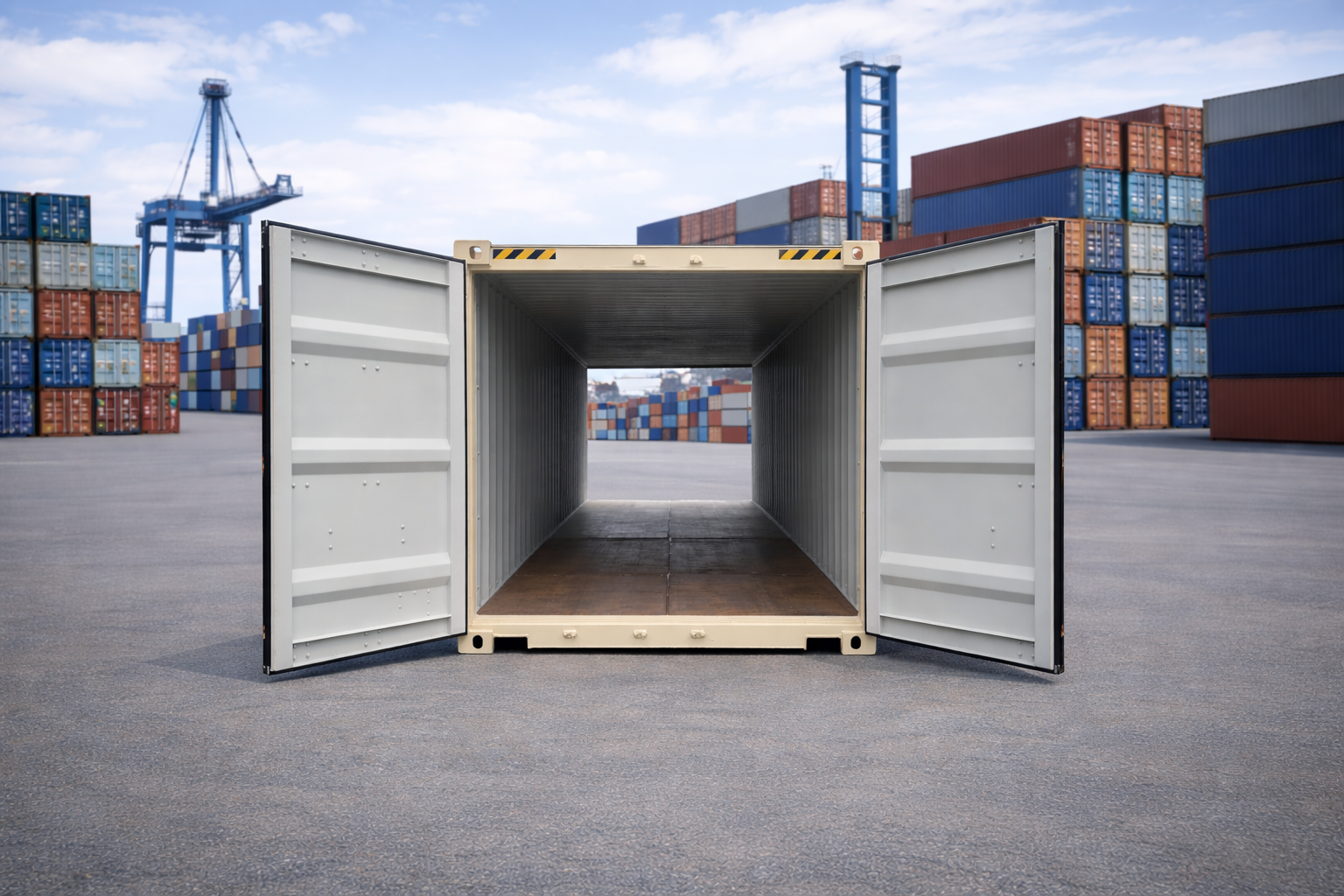
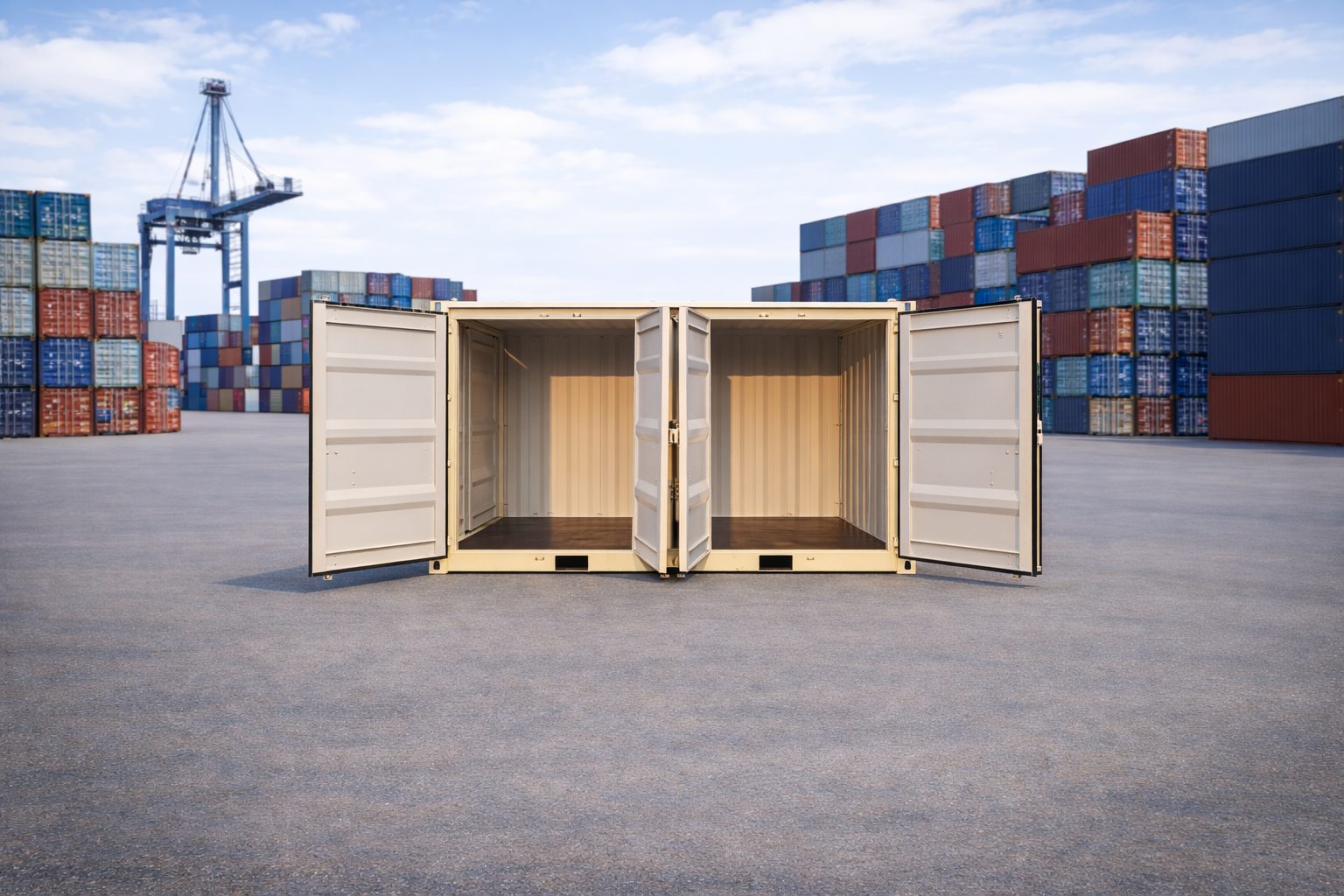
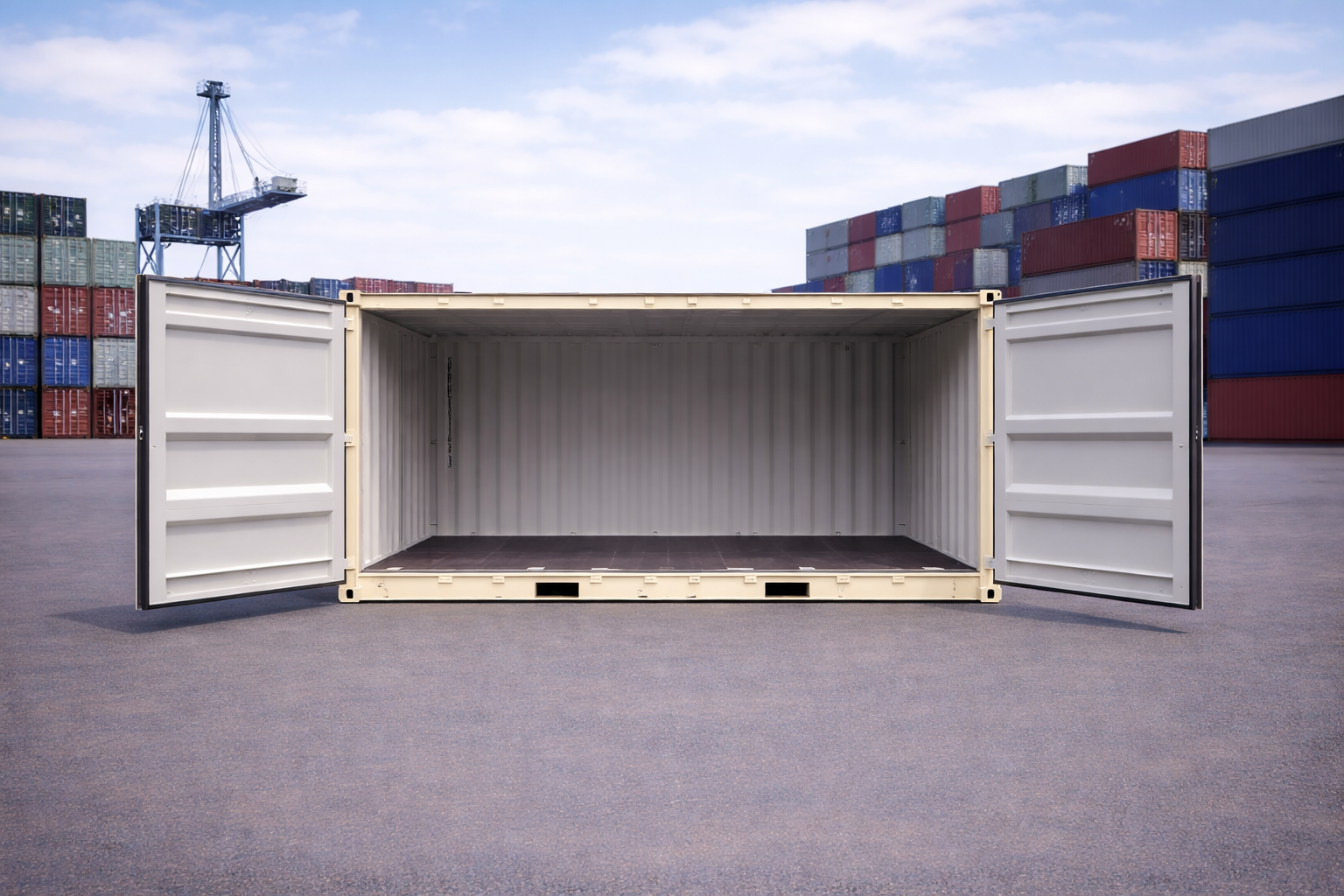
Specialty containers, such as double-door or open-side units, provide added access or ventilation flexibility. Open-side containers are popular for retail and displays, while high-cube containers offer extra ceiling height for HVAC or loft space.
When working with a trusted supplier like Viva Containers, you can count on verified inventory, clear delivery timelines, and helpful guidance for first-time buyers. Start your project right with a partner who knows the practical side of container selection and shipping logistics.
Visit vivacontainers.com to browse, request a quote, or get personalized recommendations.