30-Days Money Back Guarantee
Delivery in 2-5 business days
Proud member
5.0 Stars on Google Reviews
30-Days Money Back Guarantee
Delivery in 2-5 business days
Proud member
5.0 Stars on Google Reviews


Many buyers assume “waterproof” and “watertight” mean the same thing, but each describes a different level of protection.
Shipping containers are built to be watertight, not waterproof. This means they’ll keep out rain and wind but aren’t designed for submersion.
Not necessarily. A container’s age and condition play a major role in its water resistance.
New and one-trip containers are almost always watertight, having only made a single voyage with minimal wear, so their seals and structure remain fully intact.
Used containers are more likely to have worn seals, corrosion, dents, or structural fatigue from years of heavy use, which can compromise their ability to keep water out. When buying a used container, choose one with WWT (Wind and Watertight) certification to ensure it has passed leak tests and requires no repairs to resist weather.
The materials used in shipping containers make them remarkably water-resistant. This durability comes from carefully selected construction elements:
Water resistance in shipping containers depends on several structural and environmental factors. When any of these areas weaken, they often become the source of leaks:
Older containers naturally experience structural fatigue, rust, and gasket deterioration. Door seals become brittle and crack, while corner posts and corrugations thin from years of oxidation. Containers that have spent decades in coastal shipping environments are especially vulnerable to accelerated aging.
Improper installation of windows, doors, vents, or HVAC units can introduce new openings that allow water to enter if not sealed professionally. Even small gaps around cut edges or mounting hardware can channel water inside during rain. Without proper marine-grade sealants, these modifications become the most common leak points in converted containers.
Placing a container directly on soil or uneven ground traps moisture under the base and increases corrosion, which can eventually cause leaks. Ground contact also prevents airflow beneath the container, creating a humid microclimate that accelerates rust formation. Over time, this constant moisture exposure can eat through the floor panels entirely.
Roof dents, bowed walls, or forklift impacts can create depressions or micro-cracks where water begins to pool and seep through. Even minor damage can compromise the steel's protective coating, exposing bare metal to the elements.
Paint and protective coatings prevent rust. When these aren't maintained, corrosion develops faster and compromises watertightness. Regular recoating every few years is essential to preserve the container's structural integrity and keep moisture out.
For more details on finding the right paint for your shipping container, check out our blog: Best paint for shipping containers
Heavy storms, constant moisture, and harsh climates accelerate corrosion, weakening panels and roof seams. Containers in coastal areas face salt spray that aggressively attacks steel, while those in humid climates deal with year-round condensation. Snow accumulation on roofs can also create prolonged water contact that eventually finds its way through compromised seals.
When inspecting a shipping container for potential leaks or structural issues, these are the areas that deserve the closest attention:
Door gaskets often wear out first, developing cracks, brittleness, or uneven compression that allows wind-driven rain to seep through. Check for gaps, tears, or areas where the seal no longer tightens properly.
These load-bearing corners endure significant stress during lifting and stacking. Dents, cracks, or corrosion in the corner castings can open seams to water infiltration and may indicate the container has been mishandled.
A dented roof can trap water, accelerating rust and eventually creating pinholes. Pay special attention to the center of the roof, where depressions from forklift tines or falling debris are most common.
Walls that bow inward or outward indicate past stress or impacts. This warping can create micro-cracks along seams and compromise the container's ability to shed water effectively.
Rust around weld seams weakens the steel and can develop into small leaks. Pay extra attention to welds near the roofline and corners, where moisture tends to collect.
Improper handling during forklift operations or stacking can cause hidden dents and structural stress, creating weak spots where water eventually infiltrates.
Before you buy a shipping container, it's important to verify its water resistance. These simple tests help you catch leaks early and ensure the container is suitable for long-term use
Visual and DIY leak tests
Waterproofing a shipping container requires a multi-layered approach that addresses potential leak points and environmental factors.
Inspect the edges carefully for any gaps, tears, or uneven compression when closing the doors. If you notice damage, replace the gaskets promptly. Regularly checking and maintaining these seals is one of the simplest yet most effective ways to prevent leaks.
Applying roof sealants, elastomeric coatings, or waterproof exterior paint can add an extra layer of protection. Bitumen tape or specialized weather barriers can also reinforce aging or thin areas, preventing moisture from seeping through.
These steps are especially important for older or previously used containers, where wear and tear may have compromised the original seals.
Proper placement significantly affects water resistance. Avoid placing your container directly on soft soil, grass, or areas with poor drainage. Instead, elevate it on concrete blocks, gravel pads, or steel beams to promote airflow beneath the container.
This elevation reduces moisture accumulation and slows corrosion on the base, making well-sited containers far less prone to floor rot, rust, and damage from pooling water. For further details on how to keep your shipping containers
secure, check out How to secure your shipping container
In regions with heavy or frequent rainfall, adding a secondary roof can dramatically extend the container’s lifespan. Prefabricated metal canopies, lean-to structures, sloped framed roofs, or even heavy-duty tarps can prevent standing water on the roof and reduce direct exposure to the elements.
Moisture is a common problem in shipping containers. Steel walls transfer heat rapidly, causing temperature fluctuations that lead to "cargo sweat": condensation that forms when warm interior air cools against cold metal surfaces. This moisture can damage stored items, promote mold growth, and cause rust.
Control moisture with these methods:
Proper moisture control protects your stored items over time. For additional ventilation strategies, see Top Techniques for Effective Shipping Container Ventilation or explore insulation options in our guide on choosing the right insulation type for shipping containers.
While shipping containers are built to be watertight, there are certain situations where adding extra waterproofing can provide peace of mind and protect your investment. Consider additional water protection if your container will be exposed to:
This protective layer safeguards both your container and its contents against challenging environmental conditions. It's especially valuable when repurposing shipping containers for creative new projects.
When buying a used container, look for the WWT (Wind and Watertight) certification. This guarantees that no daylight is visible through the walls or roof, doors are sealed properly, and the container has passed basic leak tests. Before buying, always:
Containers without WWT certification may require repairs before they can reliably resist weather and prevent leaks.
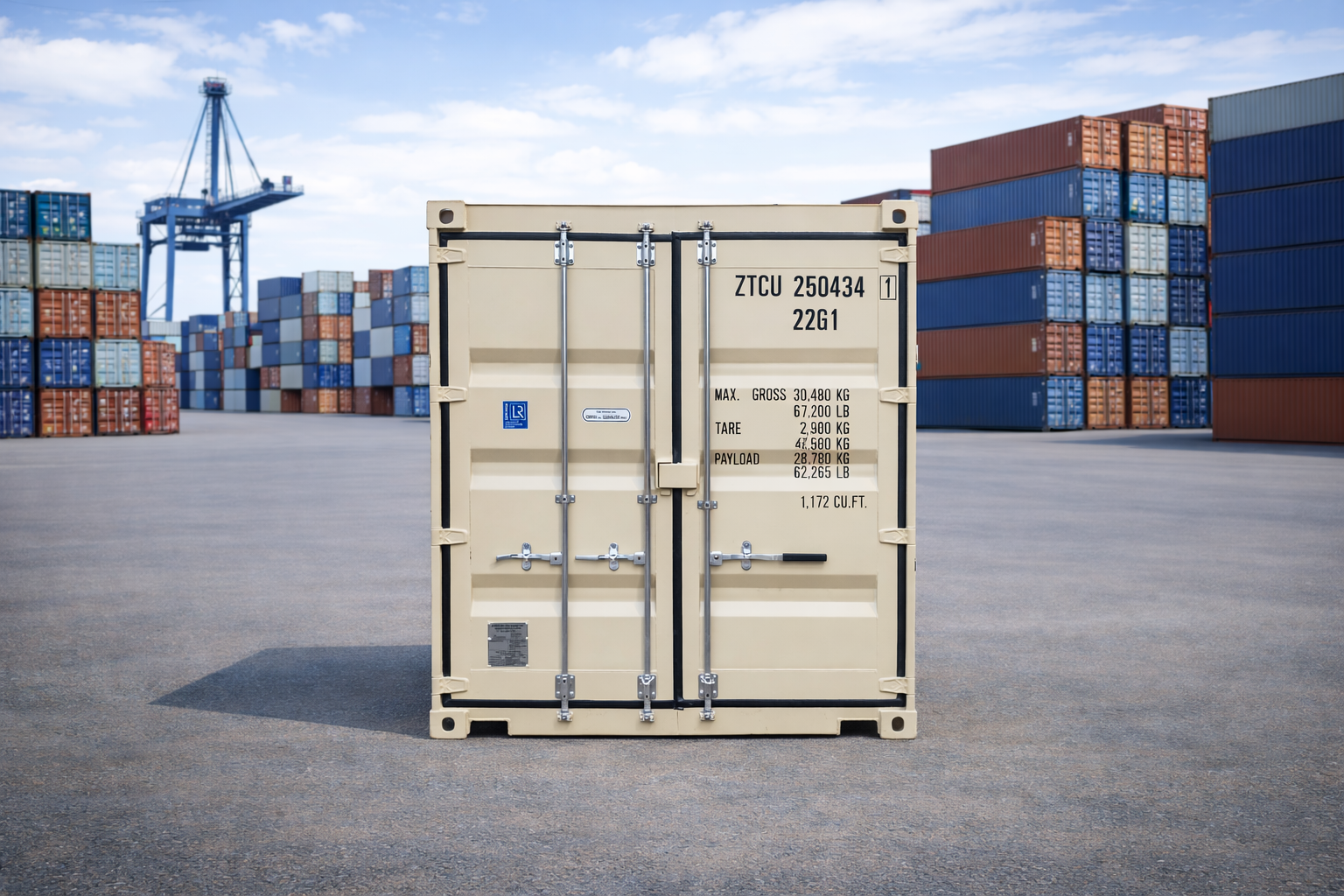
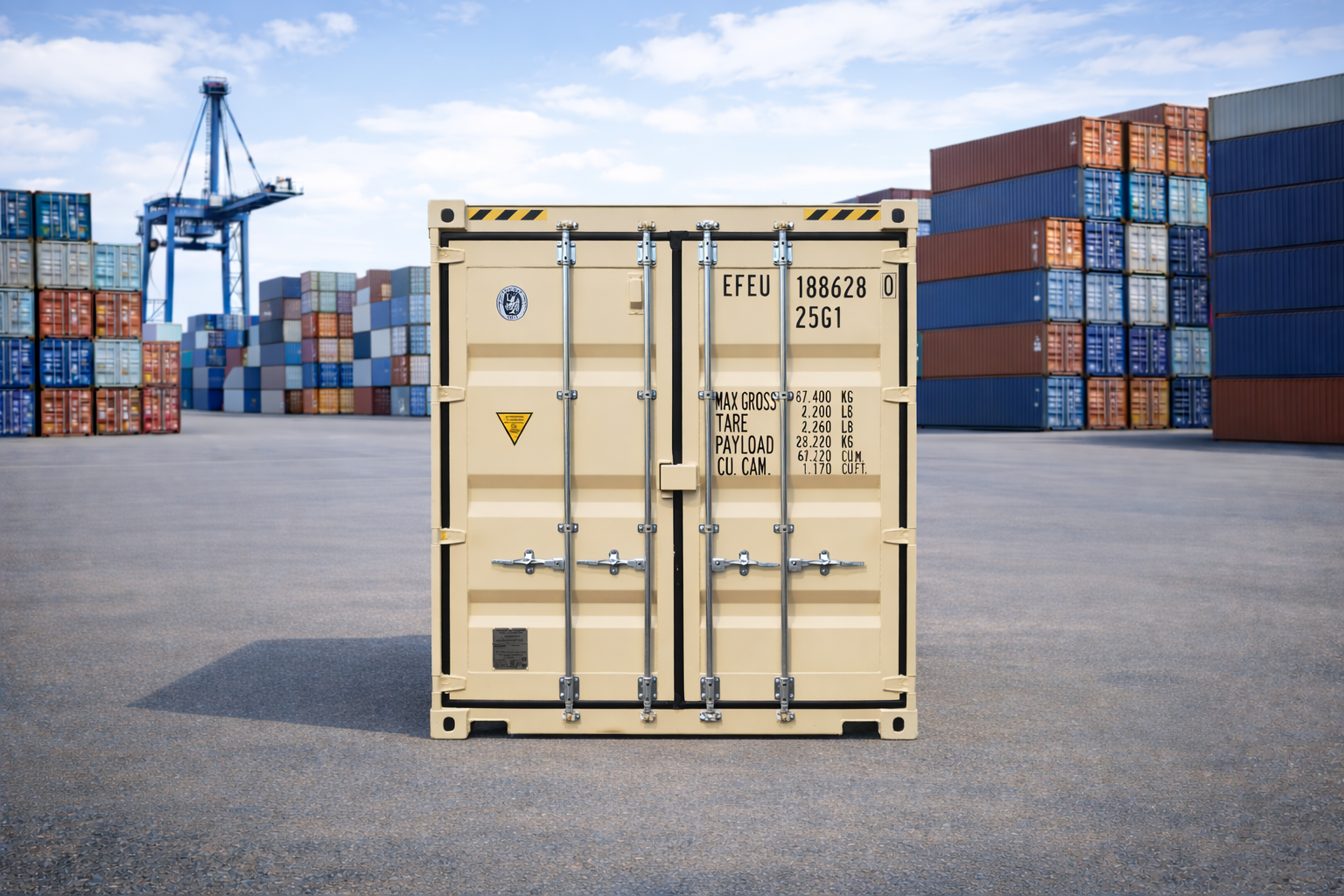
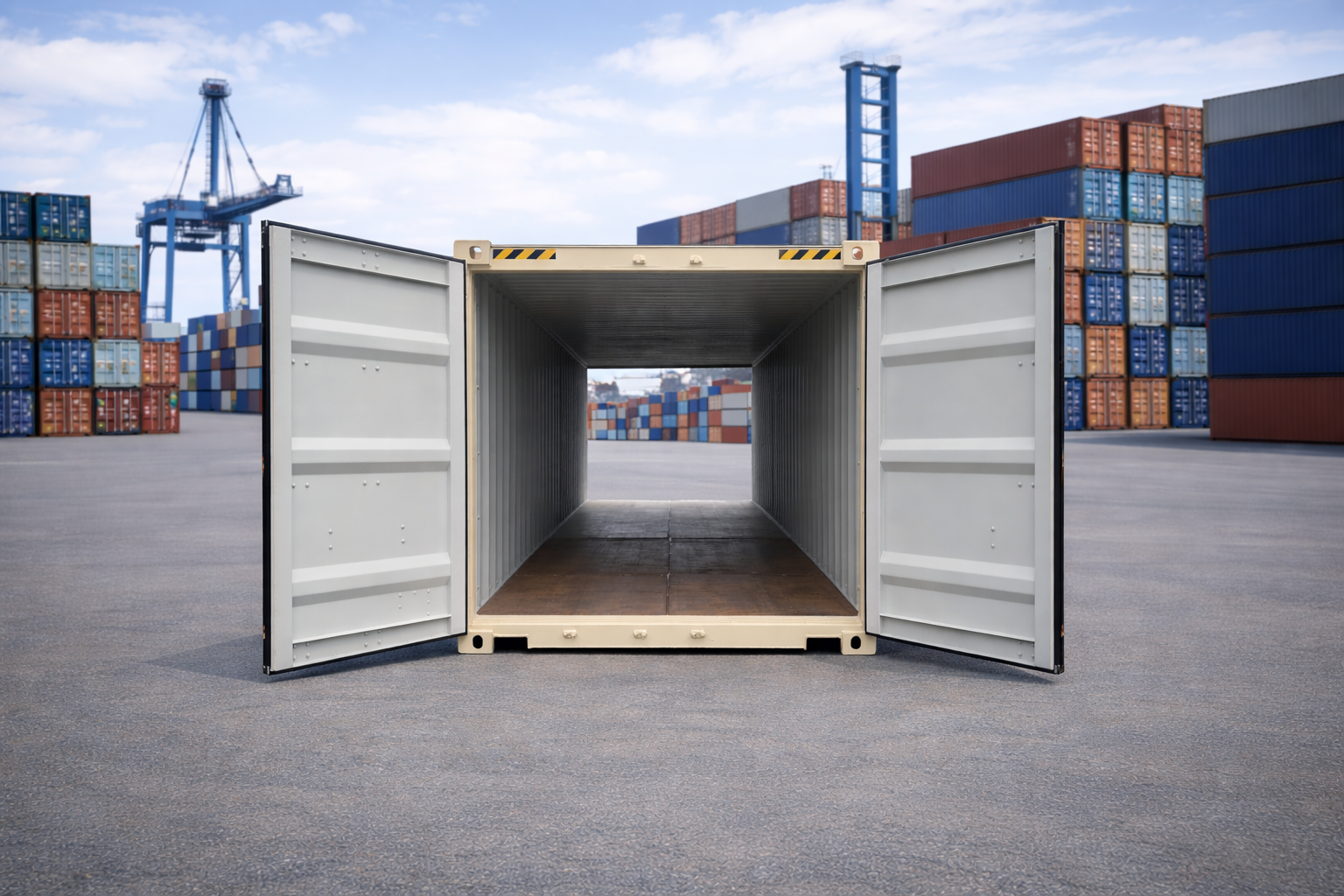
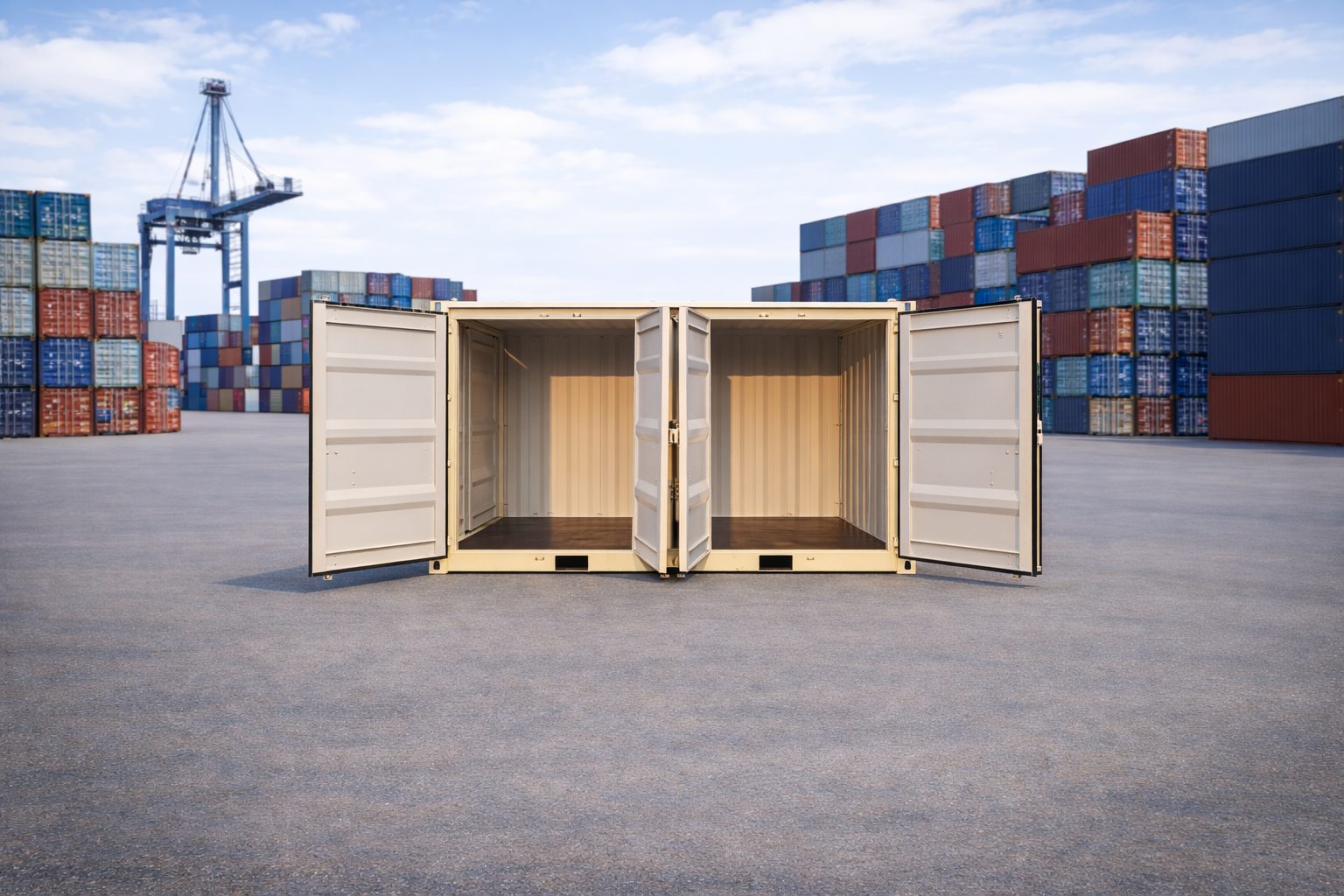
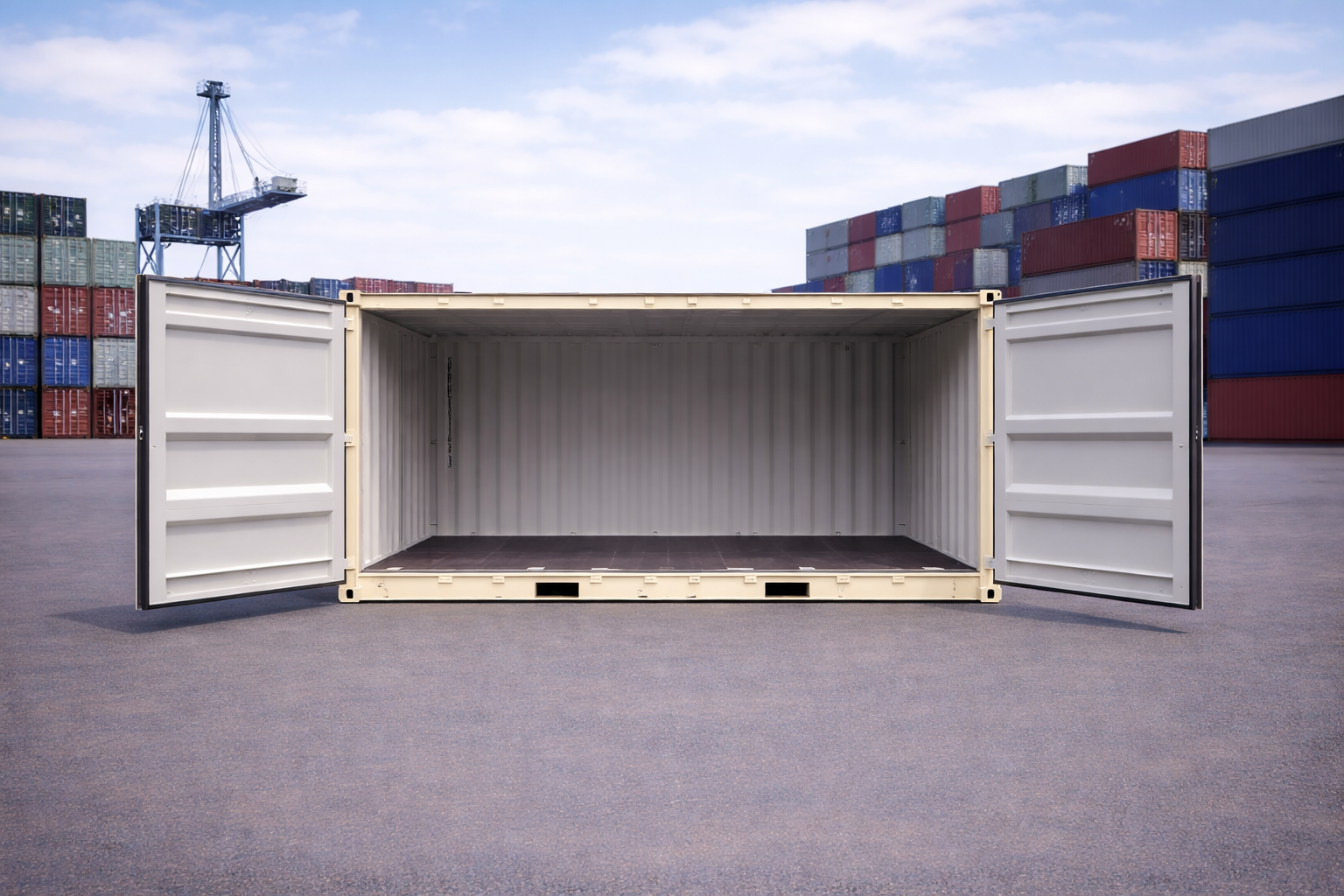
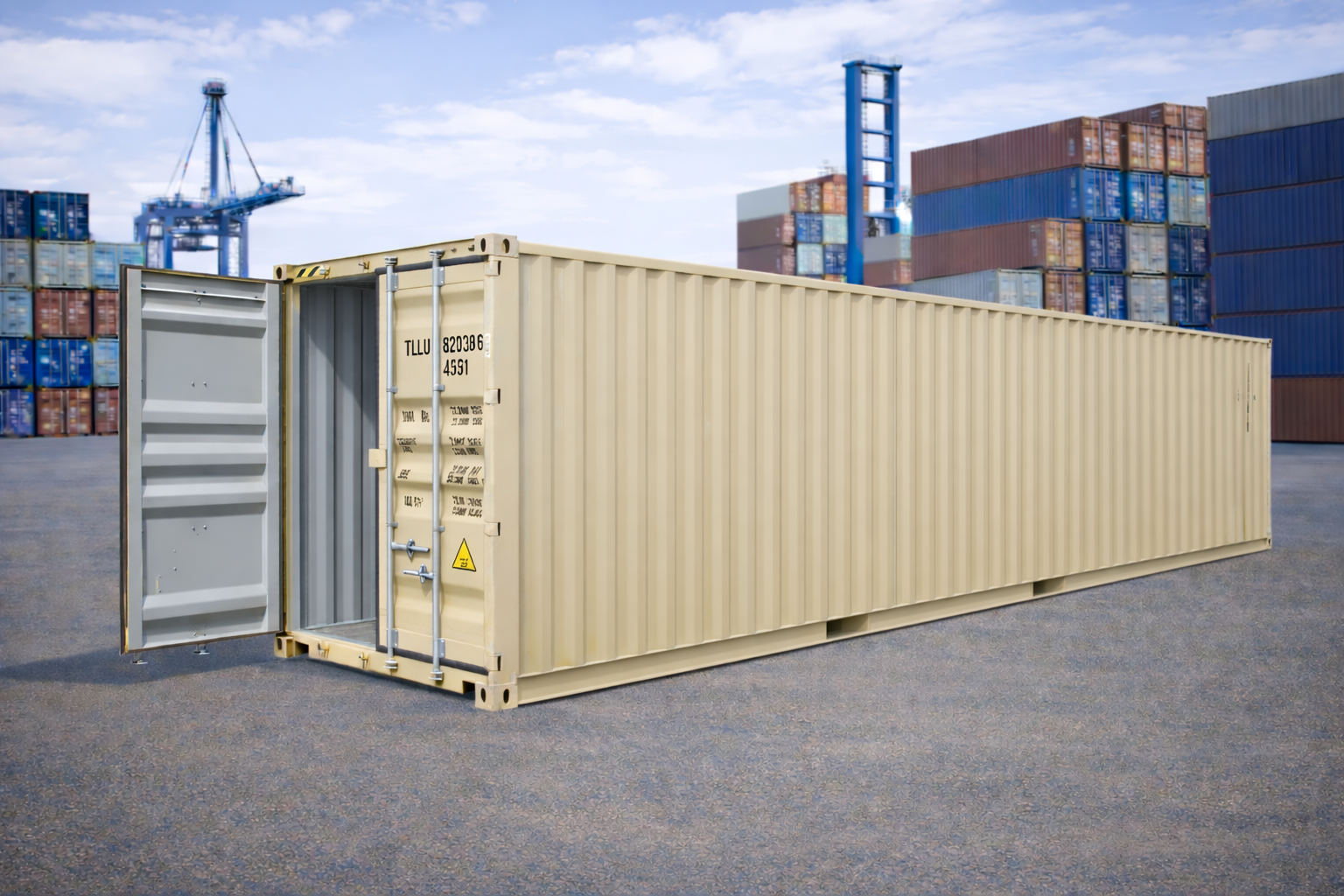
Viva Containers offers high-quality containers designed to withstand the toughest environments. Offering both new and used containers, including specialized options like high cubes, open sides, and double-door models, ensuring you find the perfect fit for your project. Every container goes through a rigorous inspection and quality assurance process, so you can feel confident that you’re investing in a structurally sound and weather-resistant unit.
Take a look at our container listings online or get in touch for a personalized quote, and let Viva Containers be your reliable partner.