Built for B2B Buyers
Nationwide WholesaleContainer Supply
Nationwide WholesaleContainer Supply
Wholesale containers across 50 US & CA locations - built for storage, logistics, construction and industrial buyers.
3,000+
Containers In Stock
450+
Recurring Partners
98%
Buyer Satisfaction




Depot Network
Find Containers Near You
We operate from 50 depots across the US & Canada.
Enter your ZIP code to see the closest pickup locations.
US: 12345 • Canada: A1A 1A1
Or browse by region
Product Catalog
Container Types
ISO-certified containers. Tap a type to view specs.
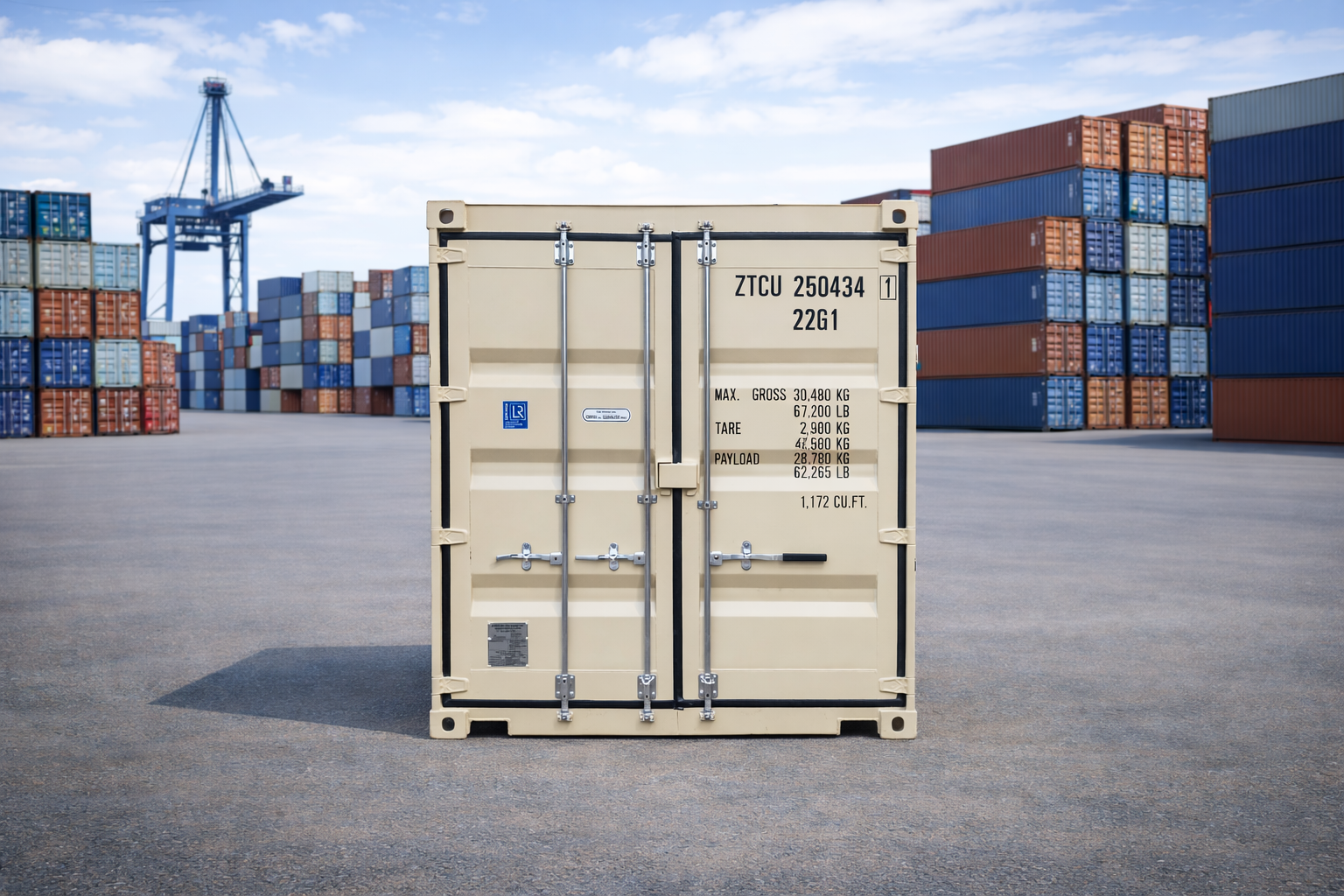
20' Standard
Standard ISO dry container for general cargo and storage.
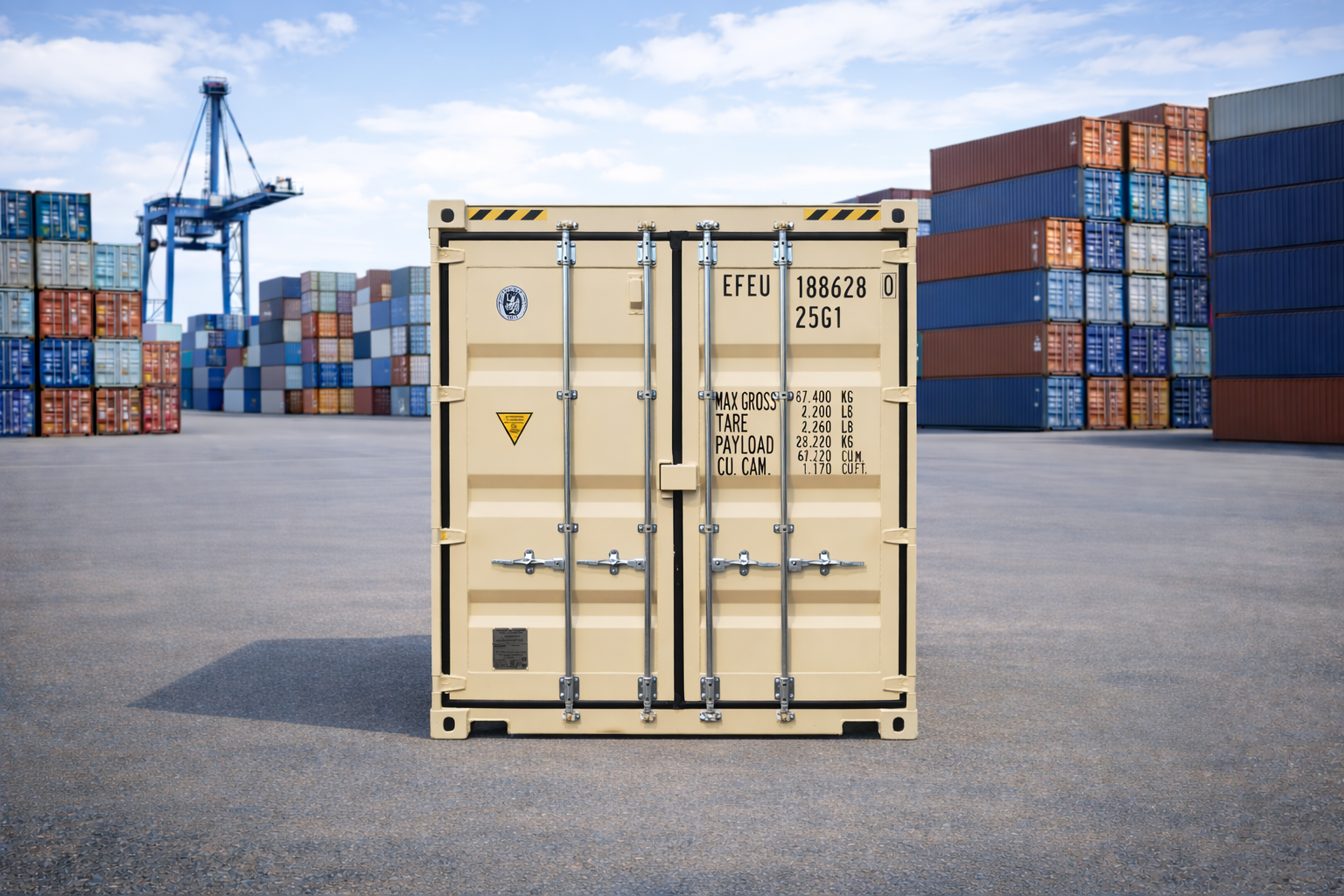
20' High Cube
Extra vertical clearance for taller cargo or conversion projects.
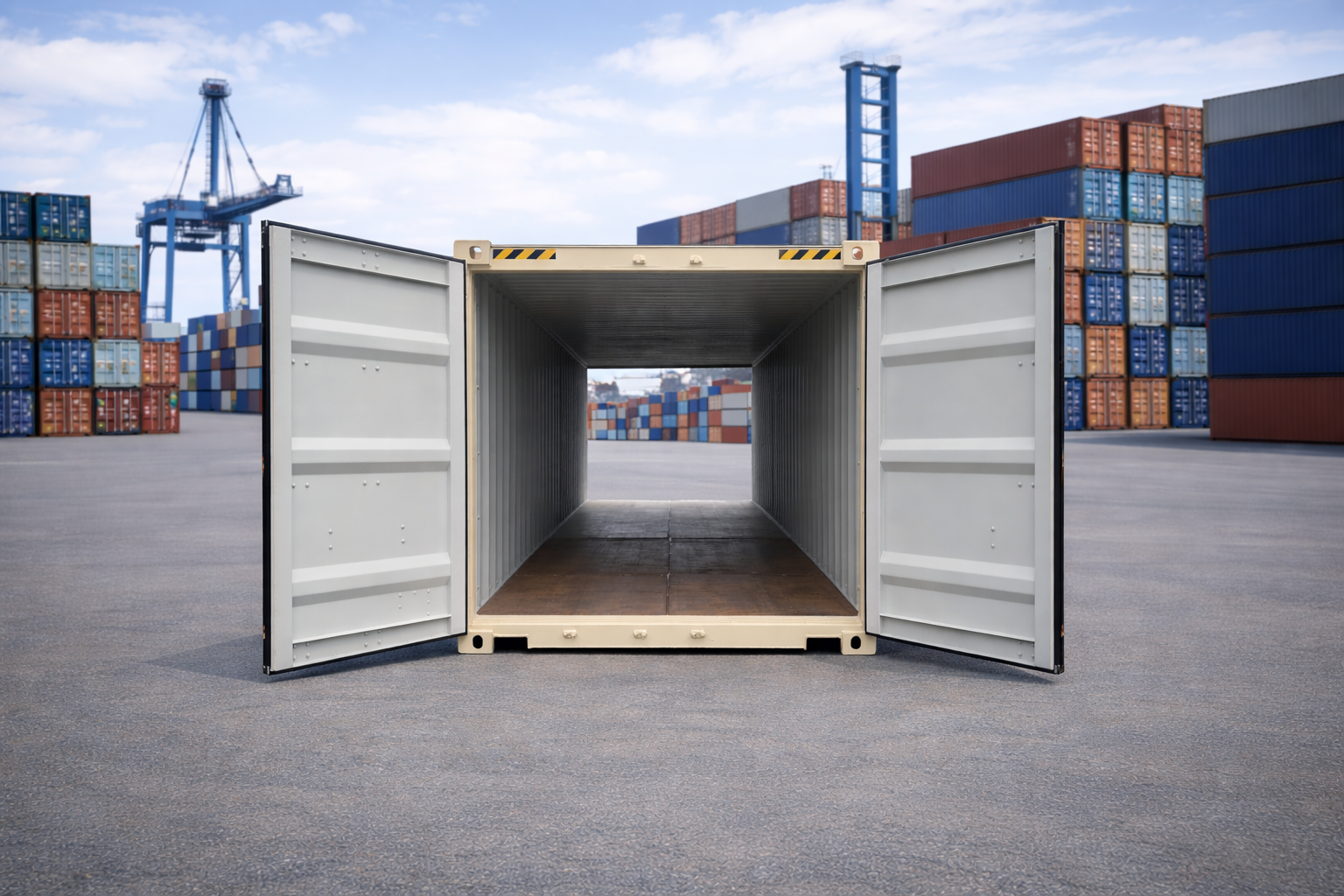
20' Double Door
Tunnel container with doors on both ends for drive-through loading.

20' Open Side FULL
Full side opening for complete lateral access. Retail and events.
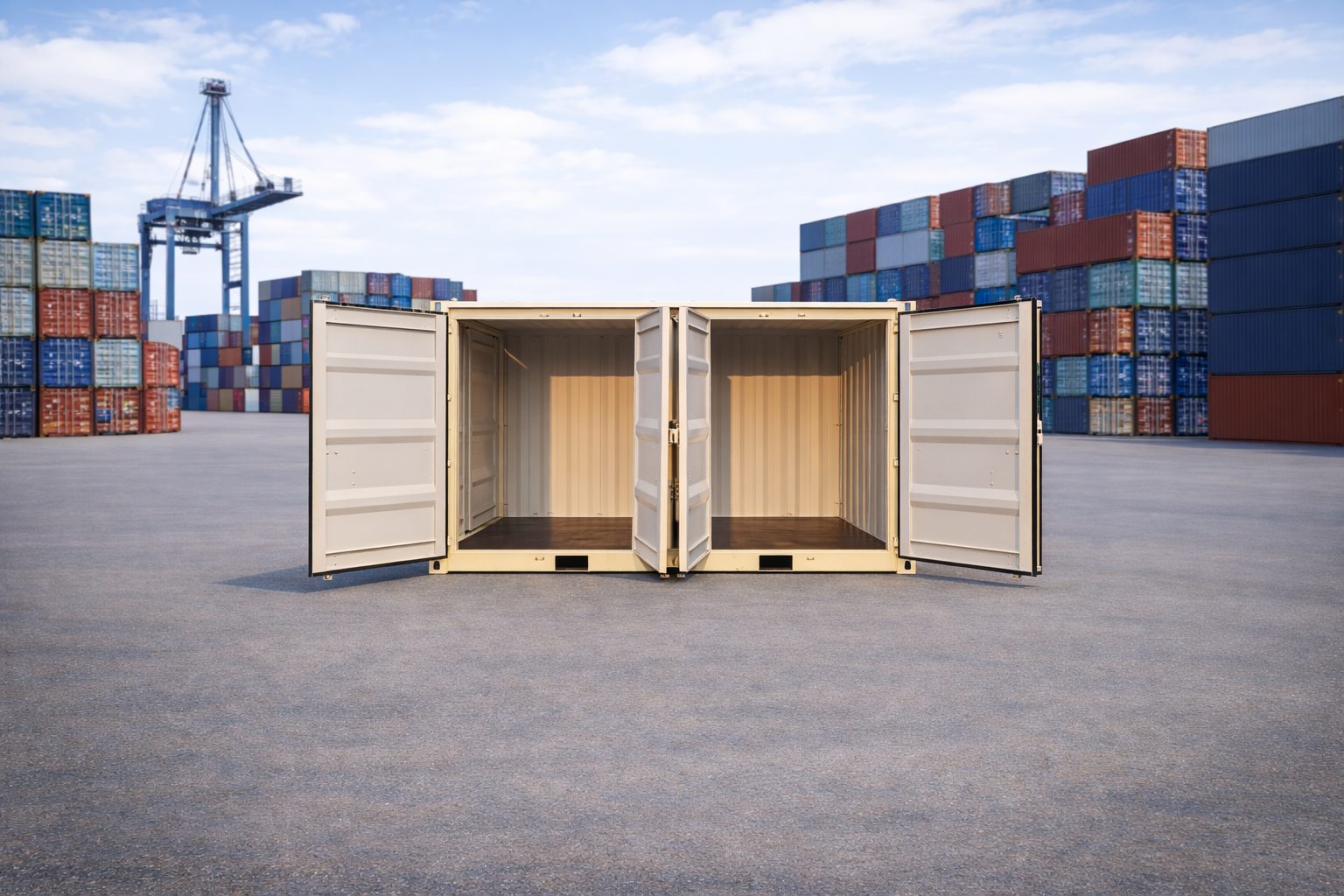
20' Open Side 2-Door
Two-panel side opening balancing access with structural integrity.
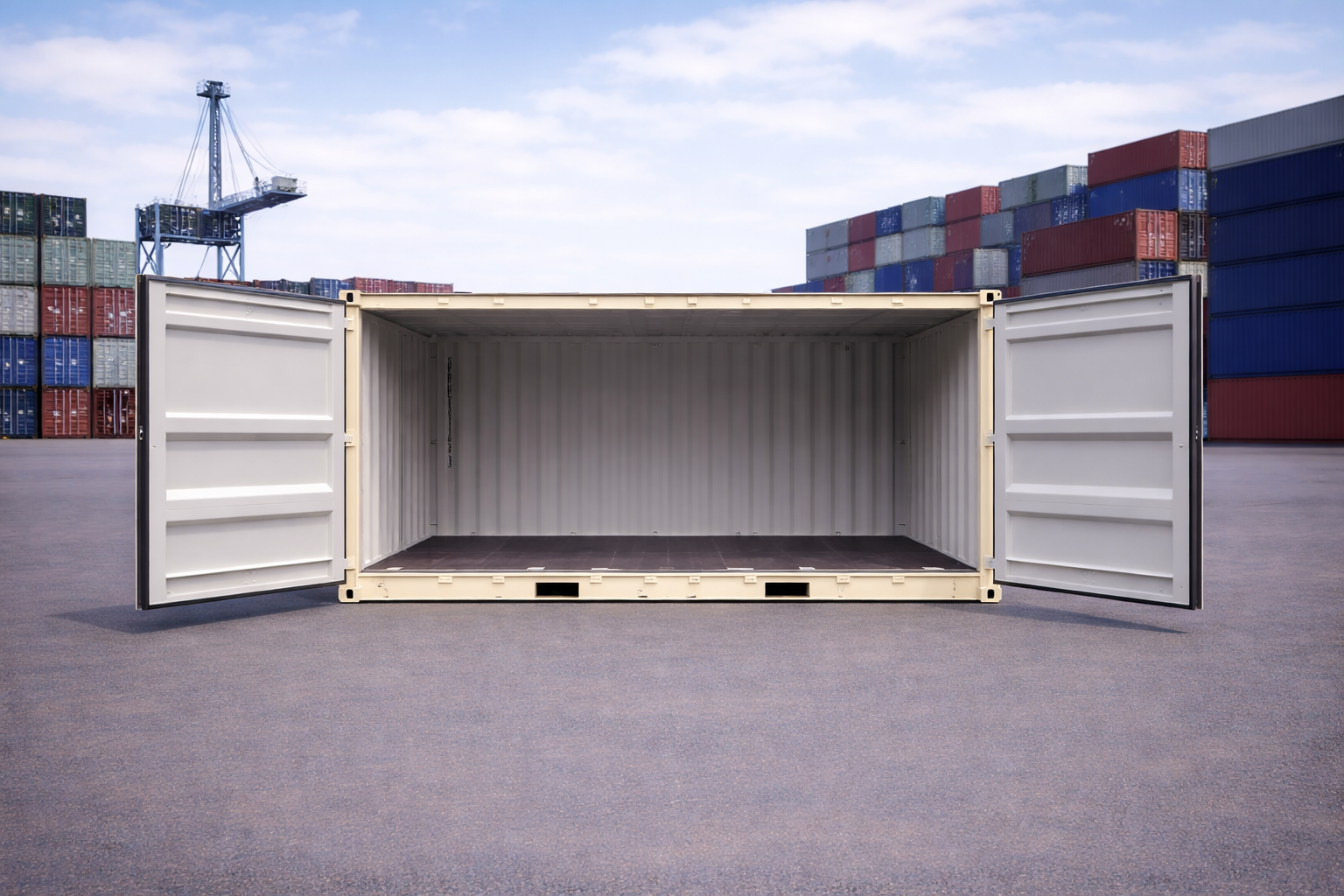
20' HC Open Side FULL
Maximum accessibility with extra height. Full side opening in HC.
Don't see the configuration you need?
Quality Grades
Container Conditions
All units inspected and classified.
Tap a grade to see details.
| Grade | Condition | Container Age |
|---|---|---|
| A+ | One-Trip | <1 year |
| A | IICL | 2-5 years |
| B+ | Cargo Worthy | 13-18 years |
| B | Wind & Watertight | 19+ years |
| C | As-Is | Varies |
Not sure which grade?
Not sure which grade fits your project?
Trusted by Businesses Across North America
Real reviews from verified buyers on Google and Trustpilot.
Based on 51 Google Reviews
"The fastest container sourcing process we've experienced. Clear availability, transparent pricing and no back-and-forth. Units were released within hours, not days."
— Michael R., Logistics Manager
Based on 52 Trustpilot Reviews
"We regularly compare Viva with local storage providers and they consistently come in lower on price. Large inventory and a fast, straightforward process make scaling projects easy."
— Sarah T., Operations Director
Built for B2B Wholesale Buyers Across North America
Viva Containers is a nationwide supplier of new and used shipping containers, serving storage, logistics, construction and industrial clients. We deploy containers within our own North American shipping operations and then offer them directly to B2B buyers - eliminating intermediaries and ensuring verified availability, strict quality control, and consistently lower pricing.
5000+
Containers Sold in 2025
50
Depot Locations
450+
Recurring Customers
98%
Customer Satisfaction
Wholesale Pricing
Direct supply. No middlemen. No brokers. Just B2B rates.
Extensive Fleet
Over 3000 ready units across all sizes and grades - available now.
Nationwide Coverage
50 strategic depots across the US & Canada for fast local pickup.
Same-Day Processing
Availability, invoice, and release handled within hours.
Contact Us
Talk to a Container Specialist
From a single unit to nationwide deployments - real availability, wholesale pricing and same-day release.
4.9 from 100+ verified B2B buyers
Why B2B Buyers Choose UsWhy B2B Buyers Choose Us
Clearly graded containers without surprises
Local pricing & availability in under 15 minutes
Same-day release upon payment confirmation
Live operations support from 7am-7pm
Clearly graded containers without surprises
Local pricing & availability in under 15 minutes
Same-day release upon payment confirmation
Live operations support from 7am-7pm for seamless pickup
(302) 366-4558
Mon-Fri 7am-7pm EST
sales@vivacontainers.com
Response within 15 min
HQ: Newark, DE
50 depots across North America
Get Wholesale Pricing
Get Wholesale Pricing
Takes 30 seconds
Wholesale-only • USA & Canada • Established 2023